
Understanding Different Types of Hot Water Systems: Complete Guide
Choosing the right hot water system for your home is a crucial decision that affects comfort, energy efficiency, and ongoing expenses. This comprehensive guide explores all major types of hot water systems to help you make an informed choice.
Already know the system type you want? See our 2026 comparison of the best hot water brands in Australia to shortlist the right model.
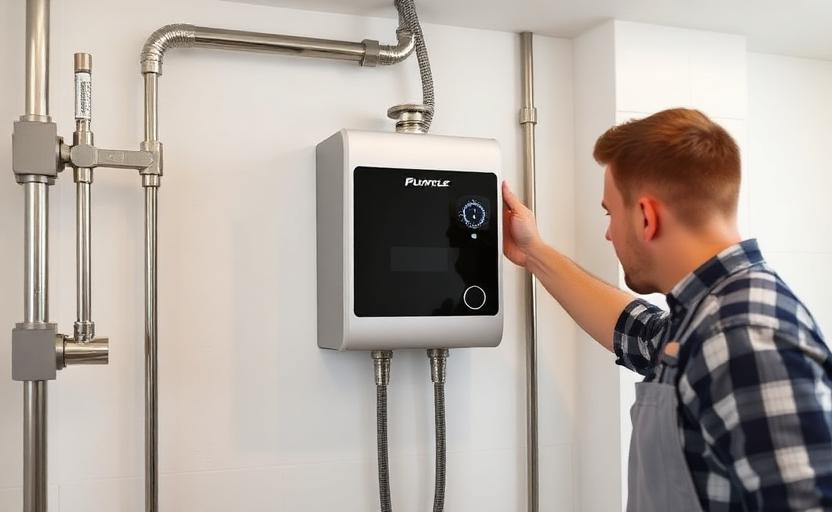
Hot Water System Categories Overview
Hot water systems can be categorized by their heating method (gas, electric, solar, heat pump) and storage type (storage tank vs. instantaneous). Each combination offers unique advantages and is suited to different household needs and circumstances.
Storage Hot Water Systems
Advantages:
- Fast heating and recovery times
- Lower ongoing operational expenses
- Works during power outages
- Suitable for high-demand households
Considerations:
- Requires natural gas connection
- Needs proper ventilation
- Professional installation required
Best For:
Large families, homes with existing gas connections, areas with reliable gas supply
Advantages:
- Available everywhere with electricity
- Simple installation process
- Compatible with solar power systems
- No gas safety concerns
Considerations:
- Higher ongoing electricity expenses
- Slower heating than gas
- Affected by power outages
Best For:
Homes without gas access, properties with solar panels, smaller households
Instantaneous (Tankless) Hot Water Systems
Key Benefits:
- Unlimited hot water supply
- Space-saving compact design
- Energy efficient - no standby losses
- Longer lifespan than storage systems
- Precise temperature control
Important Factors:
- Higher upfront investment
- Limited simultaneous usage
- May require upgraded gas/electrical supply
- Temperature fluctuation during peak demand
Available in Both:
Heat Pump Hot Water Systems
Environmental Advantages:
- Up to 70% more energy efficient than electric
- Significantly reduced carbon footprint
- Uses renewable ambient heat energy
- Government rebates often available
System Requirements:
- Adequate outdoor space for heat pump unit
- Suitable climate conditions (performance varies with temperature)
- Higher initial investment than conventional systems
- Requires both indoor tank and outdoor heat pump
Performance Note:
Heat pumps work most efficiently in moderate climates. In very cold conditions, they may use backup electric heating, reducing efficiency.
Solar Hot Water Systems
Solar System Types:
- Most common and cost-effective
- Good for most Australian climates
- Durable and reliable
- Higher efficiency in cold climates
- Better performance on cloudy days
- More expensive but more efficient
Key Benefits:
- Minimal ongoing energy expenditure
- Environmentally sustainable
- Government incentives available
- Can provide 60-90% of hot water needs
System Requirements:
- North-facing roof space with good sun exposure
- Backup system for cloudy periods (gas or electric)
- Higher upfront investment
- Professional design and installation essential
Choosing the Right System Size
Capacity Guidelines by Household Size:
Storage Systems:
- 1-2 people: 125-160L capacity
- 3-4 people: 250-315L capacity
- 5-6 people: 400L+ capacity
- Large families: Multiple units or commercial grade
Instantaneous Systems:
- Single bathroom: 12-16L/min flow rate
- Multiple bathrooms: 20-24L/min flow rate
- Large homes: 26L/min+ flow rate
- Consider: Simultaneous usage patterns
Decision Matrix: Choosing Your System
| Factor | Gas Storage | Electric Storage | Instantaneous | Heat Pump | Solar |
|---|---|---|---|---|---|
| Initial Investment | Medium | Low | High | High | Very High |
| Ongoing Expenses | Low | High | Low-Medium | Very Low | Very Low |
| Environmental Impact | Medium | High | Medium | Low | Very Low |
| Space Requirements | High | High | Low | High | Very High |
Professional Consultation is Key
While this guide provides comprehensive information about different hot water system types, the best choice for your home depends on numerous specific factors including your property layout, usage patterns, local climate, existing infrastructure, and long-term goals.
Expert Hot Water System Consultation
Let our hot water specialists help you choose the perfect system for your home. We provide personalized recommendations based on your specific needs and circumstances.