
Pilot Light Keeps Going Out: Common Causes & Fixes (Gas)
A pilot light that keeps going out is one of the most frustrating hot water system issues. This comprehensive guide reveals the 6 most common causes and provides expert-approved solutions to fix the problem permanently.
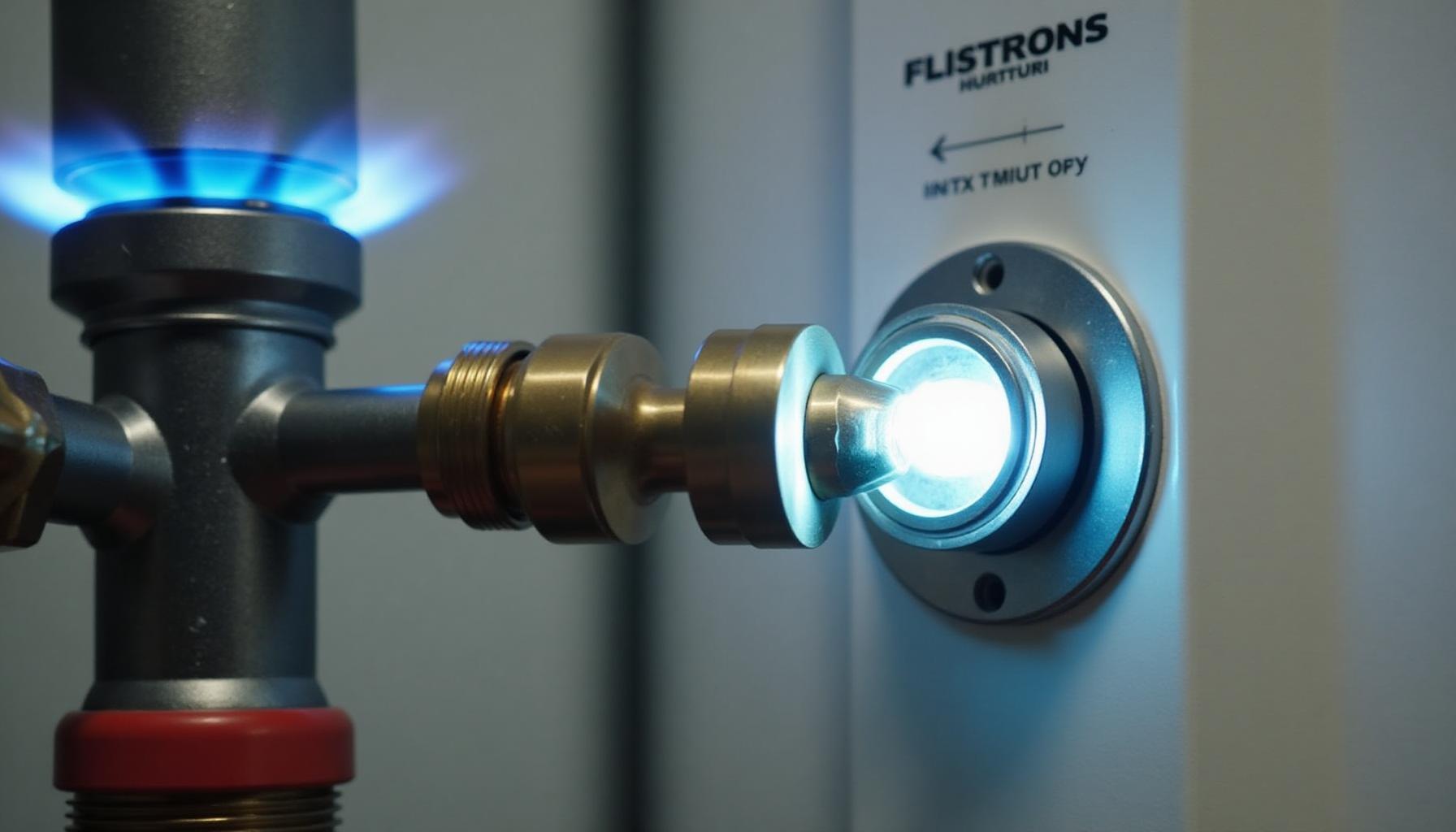
Critical Safety Warning
Gas safety is paramount. If you smell gas at any time, do not attempt repairs. Immediately turn off the gas supply at the meter, evacuate the area, and call a licensed gas fitter or emergency services. Never use matches, lighters, or electrical switches if you smell gas. Some troubleshooting steps in this guide are safe for homeowners, but complex repairs require professional expertise.
Understanding How a Pilot Light Works
Before troubleshooting, it's essential to understand the role of the pilot light in your gas hot water system. The pilot light is a small, continuously burning flame that ignites the main burner when hot water is needed. This simple yet crucial component consists of several key parts:
The small burner that maintains a constant flame. Fed by a continuous, low-volume gas supply. Must burn steadily without flickering or sputtering for proper operation.
A safety device that senses heat from the pilot flame. Generates a small electrical current when heated. Signals the gas valve to keep gas flowing—if it cools down, gas supply shuts off automatically.
Regulates gas flow to both pilot and main burner. Responds to thermocouple signals. Contains safety mechanisms to prevent gas leaks when pilot is out.
Tiny opening that delivers precise amount of gas. Can become blocked with debris or spider webs. Proper gas flow is essential for stable pilot flame.
When any of these components malfunction, your pilot light may struggle to stay lit. Understanding this system helps you diagnose problems more effectively. If you're unfamiliar with gas hot water systems, read our guide on Gas vs Electric Hot Water Systems for more background.
The 6 Most Common Causes (& How to Fix Them)
What happens: The thermocouple is a safety device that must be heated by the pilot flame to keep the gas valve open. When it fails or becomes dirty, it can't generate sufficient electrical current, causing the gas valve to close and extinguish the pilot.
Signs of Thermocouple Issues:
- Pilot lights but goes out when you release the control knob
- Pilot stays lit for a few seconds then extinguishes
- Yellow or orange pilot flame instead of blue
- Thermocouple covered in soot or white deposits
DIY Fix Steps:
- Turn off gas supply at the control valve and wait 5 minutes for gas to dissipate
- Clean the thermocouple: Use fine sandpaper or steel wool to gently clean the tip until it's shiny. Remove any soot, carbon buildup, or white oxidation
- Check positioning: The thermocouple tip should be directly in the pilot flame (about 1/2 inch into the flame). Gently bend it closer if needed
- Test connections: Ensure the thermocouple connection to the gas valve is tight (hand-tight plus 1/4 turn)
- Relight pilot: Follow manufacturer instructions to relight the pilot
- Hold for 60 seconds: Keep the button pressed for a full minute to fully heat the thermocouple
When to Replace: If cleaning doesn't work, the thermocouple may be failing (typical lifespan: 10-15 years). Replacement thermocouples cost $15-40 and are relatively easy to install, but if you're not confident working with gas fittings, call a professional for gas hot water system repair.
What happens: The pilot orifice is a tiny opening that meters gas to the pilot burner. Over time, it can become clogged with dust, lint, spider webs, or corrosion, resulting in insufficient gas flow and a weak flame that easily goes out.
Signs of Blocked Orifice:
- Pilot flame is very small or barely visible
- Flame is yellow/orange instead of strong blue
- Pilot goes out during windy conditions or when using exhaust fans
- Pilot lights easily but won't stay lit
- Visible debris around the pilot assembly
DIY Cleaning Steps:
- Turn off gas supply and wait 5 minutes
- Visual inspection: Use a flashlight to check for visible blockages
- Use compressed air: Blow compressed air through the orifice from the gas supply side (not the flame side)
- Wire brush cleaning: Gently insert a fine wire or needle to dislodge stubborn debris—be careful not to enlarge the orifice
- Clean surrounding area: Remove dust, spider webs, and debris from around the pilot assembly
- Relight and test: The flame should be strong, steady, and blue (4-6cm tall)
Prevention Tip: Clean the pilot assembly annually during routine hot water system maintenance to prevent buildup. This simple maintenance task can prevent most pilot light issues.
What happens: While modern gas hot water systems have flame retention devices, strong drafts can still blow out pilot lights. This is particularly common in poorly ventilated spaces, outdoor installations, or areas with cross-ventilation.
Common Draft Sources:
- Gaps around access panels or doors near the hot water system
- Open windows or vents creating cross-ventilation
- Exhaust fans (bathroom, kitchen, or laundry) creating negative pressure
- Air conditioning vents pointed toward the unit
- Damaged or missing flue guards on outdoor units
- Wind downdrafts through the flue (particularly in windy weather)
Solutions:
For Indoor Units:
- Seal gaps around access panels with weather stripping
- Install a cupboard door if the system is in an open cupboard
- Redirect air conditioning vents away from the unit
- Ensure proper clearance from exhaust fans
- Check that flue is properly sealed where it exits the building
For Outdoor Units:
- Install or repair the flue guard/rain cap
- Add wind deflectors around the unit
- Create a partial enclosure (while maintaining proper ventilation)
- Trim nearby vegetation that might direct wind
Ventilation Warning: While protecting from drafts, never completely seal off the area around a gas appliance. Proper ventilation is critical for safe combustion. Gas heaters require adequate air supply and proper flue operation. If unsure, consult a licensed gas fitter.
What happens: Your pilot light requires a consistent gas supply at the correct pressure. Problems with gas supply can cause the pilot to burn weakly or extinguish unexpectedly. This can affect just your hot water system or multiple gas appliances.
Gas Supply Problem Indicators:
- Other gas appliances (stove, heating) also having problems
- Pilot flame becomes very small then goes out
- Problems started after gas meter work or nearby gas main work
- Pilot struggles to stay lit even after all other fixes
- You smell gas odor (even slight) near gas lines
Troubleshooting Steps:
- Check the gas supply valve: Ensure the valve feeding your hot water system is fully open (handle parallel to pipe)
- Test other gas appliances: Turn on your gas stove or other appliances to check if they're affected
- Check gas meter: Verify gas is flowing (meter numbers should move when gas is being used)
- Look for kinks: Inspect flexible gas lines for kinks or damage
- Check for gas odor: Walk along gas lines checking for any smell of gas
Gas Supply Warning: Do not attempt to adjust gas pressure regulators or work on gas lines yourself. This requires specialized equipment and licensed qualifications. If you suspect gas supply issues, contact your gas provider immediately for network issues, or a licensed gas fitter for problems with your property's gas lines. For urgent help, call for emergency hot water repair.
What happens: The gas control valve (or gas valve assembly) is the brain of your gas hot water system. It contains the thermostat, safety controls, and gas flow regulation. When it fails, it can cause numerous issues including an unreliable pilot light.
Signs of Valve Problems:
- Pilot goes out after system has been working fine for years
- Control knob is difficult to turn or feels loose
- Clicking or hissing sounds from the valve
- Pilot stays lit but main burner won't ignite
- Intermittent operation—works fine for days then fails
- Pilot lights but can't be turned to "ON" position
What You Can Check:
- Control knob function: Turn it through all positions (OFF, PILOT, ON). It should move smoothly
- Visual inspection: Look for signs of corrosion, rust, or mineral deposits on the valve
- Connection tightness: Ensure gas supply connection is hand-tight (don't over-tighten)
- Age of system: Gas valves typically last 10-15 years. If your system is this old, valve failure is likely
Professional Repair Required: Gas control valves cannot be repaired—they must be replaced. This is a job for licensed professionals as it involves gas fitting and proper testing of the new valve. Replacement valves cost $200-400 plus labor. Given this cost, you may want to consider the age of your entire system—see our guide on hot water system replacement for more information.
What happens: Gas appliances need proper ventilation for two reasons: to supply oxygen for combustion and to remove combustion byproducts. If the flue is blocked or damaged, combustion gases can't escape, creating back-pressure that extinguishes the pilot light. This is also a serious carbon monoxide hazard.
Carbon Monoxide Warning: Flue problems can cause carbon monoxide (CO) buildup—a colorless, odorless, deadly gas. If you experience headaches, nausea, or dizziness when using gas appliances, evacuate immediately and call emergency services. Install CO detectors near all gas appliances.
Signs of Flue Problems:
- Yellow or orange pilot flame (should be blue)
- Soot marks above the hot water system
- Condensation or rust stains around flue connections
- Pilot goes out more frequently in damp or humid weather
- Burning smell or eye irritation when system operates
- Bird nests, leaves, or debris visible in outdoor flue termination
Safe Inspection Steps:
- External visual check: Look at the flue termination outside. Check for obstructions, damage, or improper installation
- Check for downdrafts: On a windy day, check if smoke from the pilot is being blown back into the area
- Inspect flue connections: Look for gaps, rust, or disconnected sections (do not touch or adjust)
- Check clearances: Ensure nothing is blocking the flue or reducing ventilation space around the unit
Professional Service Required: Any flue repairs or adjustments must be performed by a licensed gas fitter. Flue work involves specific regulations and safety requirements. Don't attempt DIY flue repairs. If you suspect flue problems, contact a professional for hot water system inspection and repair.
How to Properly Relight a Pilot Light
Once you've addressed the underlying cause, you'll need to relight the pilot. Different systems have slightly different procedures, but this general method works for most gas hot water systems in Australia:
- Wait for gas to dissipate: Turn the gas control knob to "OFF" and wait at least 5 minutes for any accumulated gas to clear. This prevents dangerous flashbacks.
- Locate the pilot: Open the access panel and locate the pilot light assembly at the bottom of the unit. You should see a small gas tube leading to the pilot burner.
- Turn to pilot position: Rotate the gas control knob to the "PILOT" position. On some models, you may need to press the knob down first.
- Press and hold: Press the control knob down fully and hold it. This allows gas to flow to the pilot.
- Ignite the pilot: While still holding the knob down, use a long lighter (barbecue lighter) to ignite the pilot burner. You should see a blue flame appear at the pilot burner.
- Continue holding: This is crucial—keep holding the button down for 30-60 seconds after the pilot ignites. This allows the thermocouple to heat up sufficiently to generate the signal that keeps the gas valve open.
- Release and test: After holding for 60 seconds, slowly release the button. The pilot should stay lit. If it goes out immediately, repeat steps 3-6, holding for a full 60 seconds (some thermocouples take longer to heat).
- Turn to ON: Once the pilot remains lit after releasing the button, turn the control knob to the "ON" position. The main burner should now be able to ignite when hot water is needed.
- Test the system: Turn on a hot water tap and wait 1-2 minutes. You should hear the main burner ignite. The system is now operational.
- Replace access panel: Once confirmed working, replace the access panel securely.
Pro Tip: Take a photo of your system's control panel before starting. Many units have specific instructions printed on the panel that are tailored to your model. Always follow manufacturer instructions when available.
Preventive Maintenance to Avoid Future Problems
Regular maintenance is the best way to prevent pilot light problems. Here's what you should do to keep your gas hot water system running reliably:
- Complete system inspection by licensed gas fitter
- Cleaning of pilot assembly and burner
- Thermocouple testing and adjustment
- Gas pressure testing
- Flue inspection and cleaning
- Safety device testing
Learn more about professional hot water maintenance.
- Visual inspection every 3 months
- Keep area around unit clean and clear
- Check for spider webs around pilot assembly
- Test hot water temperature monthly
- Listen for unusual sounds when operating
- Check flue termination for obstructions
Smart Maintenance Schedule
Every 3 months: Visual inspection and basic cleaning
Every 12 months: Professional service and safety check
Every 10-15 years: Consider system replacement—see our guide onBest Hot Water Systems 2025
When to Call a Professional
While many pilot light issues can be resolved with DIY troubleshooting, some situations require professional expertise:
- Persistent problems: If the pilot continues to go out after you've tried all troubleshooting steps
- Gas smell: Any smell of gas requires immediate professional attention—never ignore this
- Yellow flame: A consistently yellow pilot flame indicates incomplete combustion (carbon monoxide risk)
- Component replacement needed: Thermocouple, gas valve, or flue repairs require licensed gas fitters
- System over 15 years old: Frequent problems may indicate it's time for replacement rather than repair
- Lack of confidence: If you're uncomfortable working with gas appliances, always call a professional
Need Professional Help?
Our licensed gas fitters have decades of experience diagnosing and repairing pilot light problems. We provide:
- Same-day service for emergency repairs
- Comprehensive diagnosis using professional equipment
- All repairs backed by warranty
- Upfront, transparent pricing
- Expert advice on repair vs replacement
Frequently Asked Questions
Wind can create downdrafts through the flue or blow directly on outdoor units, extinguishing the pilot. Solutions include installing a wind deflector, ensuring the flue guard is intact, or relocating outdoor units to more sheltered locations. For indoor units, check that the flue is properly sealed where it exits the building.
Modern gas hot water systems have safety features that automatically shut off gas flow when the pilot goes out, preventing gas leaks. However, repeated pilot outages can indicate underlying problems that may pose safety risks. Yellow flames suggest incomplete combustion (carbon monoxide risk), and if you smell gas when the pilot is out, there may be a valve problem. Always address pilot light issues promptly.
DIY cleaning: Free (if successful)
Thermocouple replacement: $150-250 (parts + labor)
Gas valve replacement: $400-600 (parts + labor)
Full service call: $150-200 (diagnosis + minor repairs)
Many issues can be resolved with simple cleaning or thermocouple replacement. A professional diagnosis is recommended if DIY troubleshooting doesn't solve the problem. For emergency service, see emergency hot water repair pricing.
No. The pilot light is essential for igniting the main burner when hot water is needed. Without it, your system cannot heat water. Some newer systems have electronic ignition instead of pilots, but traditional systems require a functioning pilot. Don't attempt to bypass safety features or operate the system abnormally.
If your system requires frequent pilot relighting, consider modern alternatives:
- Continuous flow gas systems: Electronic ignition, no standing pilot—more efficient
- Heat pump systems: No gas required, highly efficient, lower running costs
- Modern storage systems: More reliable pilot assemblies and safety features
Compare options in our guide: Types of Hot Water Systems Explained.
Final Thoughts: Don't Ignore Pilot Light Problems
A pilot light that keeps going out is more than just an inconvenience—it's often an early warning sign of a problem that, if ignored, could lead to system failure, safety hazards, or costly emergency repairs. Most causes are simple and inexpensive to fix if caught early, whether it's cleaning a dirty thermocouple, addressing drafts, or replacing a worn component.
By following the troubleshooting steps in this guide, you can often resolve pilot light issues yourself. However, gas systems require respect and caution. If you're uncertain about any aspect of the repair, or if the problem persists after troubleshooting, don't hesitate to call a licensed professional. Your safety and the reliability of your hot water supply are worth the investment.
For more information about gas hot water systems, repair services, and maintenance, explore these related articles:
Signs Your Hot Water System Needs Repair
Recognize the warning signs before complete system failure
Complete Hot Water System Maintenance Guide
Preventive maintenance to extend system lifespan
Gas vs Electric Hot Water Systems
Comprehensive comparison to help you choose
Best Hot Water Systems 2025
Expert recommendations for replacement systems
Disclaimer: This guide is for informational purposes only. Working with gas appliances involves inherent risks. Some troubleshooting and all repairs should be performed by licensed professionals. Always prioritize safety and comply with local regulations.