
Hot Water Recirculation Systems Sydney: Retrofit Guide for Instant Hot Water
Stop wasting water and waiting minutes for hot water to arrive. A recirculation system delivers instant hot water to every fixture in your home — and pays for itself in water savings.

Every Australian household experiences it: you turn on the hot tap and wait. Ten seconds. Thirty seconds. Sometimes over a minute before warm water finally arrives. That wasted water goes straight down the drain — and across the country, it adds up to billions of litres every year. A hot water recirculation system eliminates this problem entirely, delivering instant hot water to every tap, shower, and appliance the moment you need it.
As we move into autumn 2026 and cooler mornings make that wait for hot water feel even longer, now is the ideal time to consider a recirculation system. Whether you're building a new home, renovating, or simply tired of the daily water waste, this comprehensive guide covers everything you need to know — from how these systems work and what they cost, to which type suits your home and why autumn is the perfect time to install one. With water restrictions becoming increasingly common across NSW and water prices rising year on year, a recirculation system isn't just a convenience upgrade — it's a smart investment in your home's efficiency.
What Is a Hot Water Recirculation System?
A hot water recirculation system keeps hot water continuously or periodically circulating through your home's plumbing, so it's always available at the tap without the usual wait. Instead of hot water sitting idle in the pipes and cooling down between uses, a small pump moves it in a loop — from the hot water unit to your fixtures and back again.
The concept is straightforward: when you haven't used hot water for a while, the water sitting in the pipes between your hot water unit and your tap cools to room temperature. When you next turn on the hot tap, all that cold water must be pushed out before hot water from the unit arrives. In a large Australian home — particularly single-storey designs common across Sydney's western suburbs, the Central Coast, and the Hunter region — the pipe run from the hot water unit to the master ensuite can be 15–25 metres. That's 3–8 litres of water wasted every single time.
A recirculation system solves this by keeping the water in those pipes hot. The pump draws cooled water from the far end of the pipe run and returns it to the hot water unit to be reheated, creating a continuous loop of ready-to-use hot water. The result? You turn on the tap and hot water is there instantly — no waiting, no waste.
Why Australian Homes Need Recirculation
Australian homes are uniquely affected by hot water delivery delays. Several factors make recirculation systems particularly valuable in our market:
- Large home layouts — Australian homes are among the largest in the world by floor area. Single-storey slab-on-ground designs mean longer pipe runs compared to compact multi-storey homes common in Europe and Asia
- Outdoor hot water units — Many Australian electric and gas hot water systems sit outside the home, adding significant pipe distance to indoor fixtures
- Water scarcity — Australia is the driest inhabited continent. The Bureau of Meteorology reports below-average rainfall across much of NSW, making water conservation more critical than ever
- Rising water costs — Sydney Water's 2025–2026 pricing structure means every litre wasted costs more. A household wasting 40 litres per day on cold-water run-off spends approximately $200–$350 per year on water they never use
- BASIX sustainability requirements — NSW BASIX regulations for new builds and major renovations increasingly reward water-efficient solutions, and recirculation systems contribute to meeting water reduction targets
The Numbers Are Staggering
The average Australian household wastes approximately 12,000–18,000 litres of water annually waiting for hot water at the tap. That's equivalent to filling a backyard swimming pool every 2–3 years — just in wasted waiting water. A recirculation system reduces this waste to virtually zero.
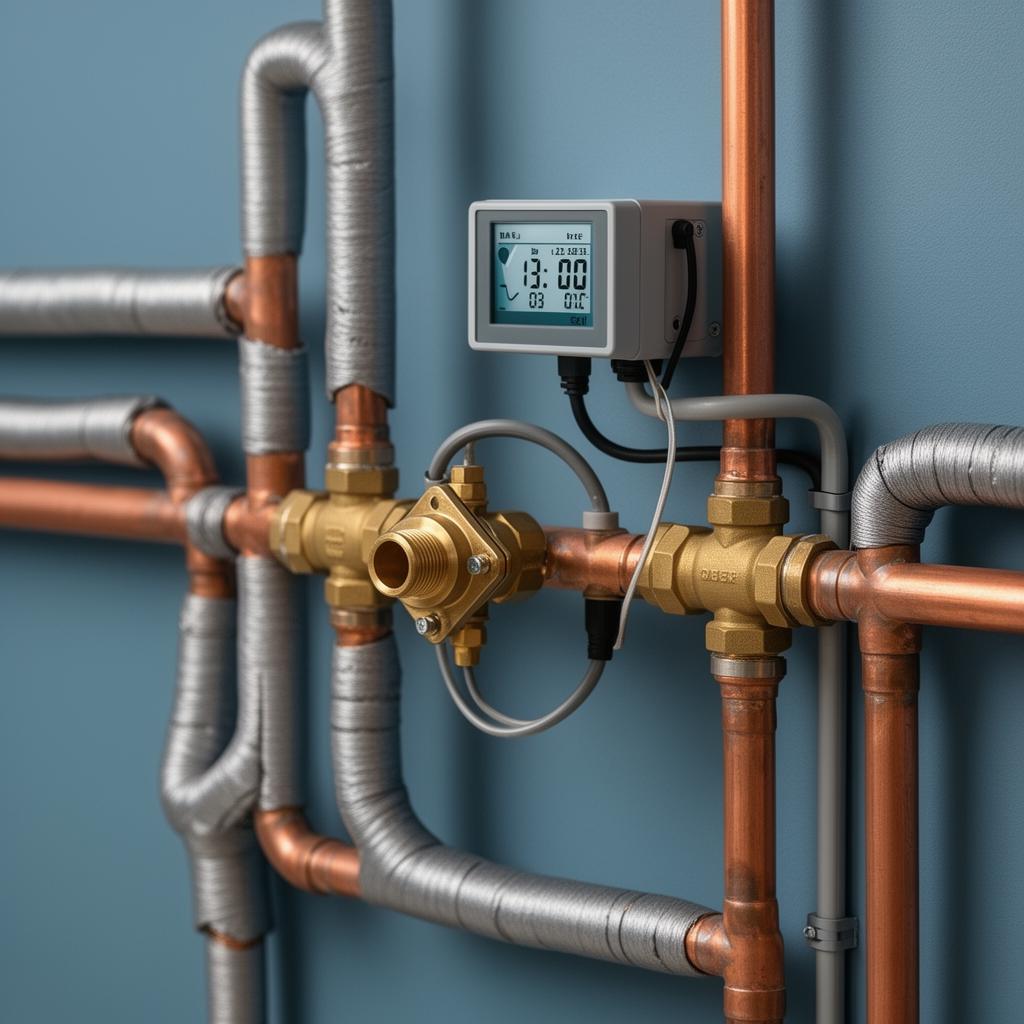
A recirculation system with temperature sensor and check valve installed on copper piping with foam insulation.
Types of Recirculation Systems Compared
Not all recirculation systems are built the same. The right choice depends on whether you're building new, renovating, or retrofitting an existing home. Here's a detailed comparison of the three main types available in Australia:
| Feature | Dedicated Return Line | Demand-Activated Pump | Timer-Based System |
|---|---|---|---|
| Best For | New builds & major renovations | Existing homes (retrofit) | Homes with predictable schedules |
| How It Works | Separate return pipe from fixtures back to the unit | Pump at fixture, uses cold line as return | Pump runs on a programmable timer schedule |
| Install Cost | $1,500–$3,500 | $600–$1,200 | $2,000–$4,000 |
| Running Cost / Year | $40–$100 | $30–$80 | $80–$200 |
| Energy Efficiency | Good (with insulation) | Excellent (runs only on demand) | Moderate (runs even when not needed) |
| Disruption to Install | High — requires new pipe run | Low — minimal plumbing work | Moderate to high |
| Hot Water Delivery | Truly instant (always hot) | 5–15 seconds after activation | Instant during scheduled periods |
Dedicated Return Line Systems
The gold standard for recirculation. A dedicated return pipe runs from the furthest hot water fixture back to the hot water unit, creating a true loop. A small pump — typically mounted near the hot water unit — continuously or periodically circulates water through this loop. Because the hot water never sits idle in the pipes, delivery is genuinely instant at every tap. This is the most common system specified in new granny flat builds and luxury homes across NSW.
The main limitation is cost and practicality for existing homes. Running a new return pipe through finished walls, under floors, or through ceiling spaces is invasive and expensive. This system makes most sense when incorporated during initial construction or a major renovation where walls are already open.
Demand-Activated Retrofit Pumps
The most popular option for existing Australian homes. A compact pump unit mounts under the sink at the furthest fixture from your hot water unit. When activated — either by pressing a button, using a motion sensor, or via a smartphone app — the pump draws cooled water from the hot line and pushes it back through the cold water line to the hot water unit. Within 5–15 seconds (depending on distance), hot water arrives at the fixture.
The key advantage is minimal disruption. No new pipes are needed — the system cleverly uses your existing cold water line as the return path. A check valve prevents hot water from mixing into the cold supply under normal use. Brands like Grundfos Comfort, Watts, and several Australian-distributed models are available through most plumbing suppliers.
Timer-Based Systems
Timer-based systems use a programmable controller to run the recirculation pump during specific periods — typically mornings and evenings when hot water demand is highest. This approach eliminates the need to manually activate the pump while avoiding 24/7 operation. It's a good middle-ground option, though it wastes energy circulating water during programmed periods when nobody may actually need hot water.
Modern smart timers can learn your household's usage patterns over time, activating only when historically needed. Some integrate with home automation systems, allowing control via Google Home, Alexa, or Apple HomeKit. For households with predictable routines, this offers a good balance of convenience and running cost efficiency.
Costs, Water Savings & ROI Analysis
Understanding the true cost of a recirculation system means looking beyond the upfront installation price. When you factor in water savings, energy impact, and the avoided cost of wasted water, most systems deliver a positive return within 3–5 years.
Water Savings Breakdown
Let's do the maths for a typical NSW household of four, based on Sydney Water's current pricing:
- Average water wasted per day: 40 litres (based on 8–10 hot water events with 4–5 litre run-off each)
- Annual water wasted: 14,600 litres
- Sydney Water usage rate (2025–26): approximately $2.66 per kilolitre
- Annual water cost saved: approximately $39 in water alone — plus the sewer usage charges tied to water consumption, bringing the real saving to $150–$250 per year
Energy Cost Impact
Recirculation pumps themselves use very little electricity — typically 25–100 watts. A demand-activated system that runs for a total of 15–30 minutes per day adds roughly $30–$80 per year to your electricity bill. However, there's an additional energy consideration: the hot water unit must reheat the returned water. This "standby heat loss" varies by system type:
- Demand-activated: Minimal impact — only circulates when triggered, and insulated pipes retain most heat
- Timer-based: Moderate impact — $80–$200/year depending on run schedule and system efficiency rating
- Continuous circulation: Highest impact — can add $200–$400/year if pipes are poorly insulated. Pipe insulation is essential
Net Annual Savings
For a demand-activated retrofit system costing $800 installed, with annual water savings of $200 and energy costs of $50, the net annual benefit is approximately $150. The system pays for itself in approximately 5 years — and continues saving money for its 15–20 year lifespan. Combined with a heat pump hot water system, the efficiency gains multiply significantly.
Installation Process & Requirements
Installing a hot water recirculation system requires a licensed plumber in NSW. While demand-activated retrofit pumps are relatively straightforward, there are important technical considerations that affect performance, safety, and warranty compliance.
Retrofit Pump Installation (2–3 Hours)
- Site assessment — The plumber evaluates your pipe layout, identifies the furthest fixture, and confirms hot water system compatibility
- Mount the pump unit — The compact pump installs under the sink cabinet at the furthest fixture, connecting to both hot and cold water supply lines
- Install the check valve — A thermal bypass valve prevents hot water from entering the cold supply during normal use
- Electrical connection — The pump connects to a standard 240V outlet. Some models include wireless activation buttons that can be mounted anywhere
- Test and commission — The plumber runs the system, verifying hot water delivery time and confirming no cross-contamination of the cold supply
Dedicated Return Line Installation (1–2 Days)
For new builds or renovations, the dedicated return line is installed during the rough-in plumbing stage. The return pipe — typically 15mm copper or PEX — runs from the last fixture in the hot water circuit back to the hot water unit. A circulation pump, isolation valves, and a non-return valve are installed near the unit. All exposed pipes must be insulated with minimum R1.0 foam lagging to comply with National Construction Code energy efficiency requirements.
Tempering Valve Considerations
If your home has a tempering valve (required in NSW for bathrooms and laundries), the recirculation loop must be designed to work with it. The return line should connect before the tempering valve, not after. Incorrect installation can affect the valve's ability to regulate delivery temperature and may create a scalding risk.
Choosing the Right System for Your Home
The best recirculation system depends on your home's construction, your hot water system type, your budget, and how you use hot water. Here's a decision framework:
For Existing Homes (Retrofit)
- Best option: Demand-activated pump at the furthest fixture
- Budget: $600–$1,200 installed
- Works with: Storage tanks (electric, gas), most continuous flow units, and heat pumps
- Disruption: Minimal — typically a 2–3 hour installation with no wall or floor modifications
For New Builds & Major Renovations
- Best option: Dedicated return line with smart pump controller
- Budget: $1,500–$3,500 (marginal cost when included in new plumbing)
- Advantage: Truly instant hot water at every tap, no compromise on cold water supply
- BASIX benefit: May contribute to meeting your BASIX water reduction targets
Compatibility with Hot Water System Types
Recirculation works with all major hot water system types, but there are specific considerations for each:
- Storage tanks: The simplest integration. The return line connects directly to the tank's cold water inlet or a dedicated recirculation port (available on many modern Rheem and Rinnai storage models)
- Continuous flow (tankless): Requires a recirculation-compatible model or an external buffer tank. The pump must meet the unit's minimum flow rate to activate the burner. Check with the manufacturer — most modern 20L and 26L units support recirculation
- Heat pumps: Fully compatible. Heat pump units with recirculation benefit from the pump's ability to maintain optimal tank temperature more consistently, potentially improving the heat pump's COP (Coefficient of Performance)
- Solar hot water: Compatible with both evacuated tube and flat panel solar hot water systems. The recirculation loop operates independently of the solar collector circuit
Why Autumn Is the Ideal Time to Install
March and April 2026 represent the perfect window for installing a recirculation system. Here's why acting now — rather than waiting until the colder months — makes both practical and financial sense:
- Cooling temperatures highlight the problem — As autumn mornings get colder, the contrast between room-temperature pipe water and the hot water you're expecting becomes more noticeable. The wait feels longer and more uncomfortable. Installing now means you'll have instant hot water before winter arrives
- Plumber availability — Autumn sits between the summer emergency breakdown rush and the winter peak demand season. Booking is easier and scheduling is more flexible
- Combine with a system service — If your hot water system is due for its anode rod inspection or annual maintenance service, adding a recirculation pump during the same visit saves on call-out fees
- EOFY planning — With the end of financial year approaching, if you're considering a full hot water system upgrade, a recirculation system can be bundled with a new installation to maximise NSW rebates and incentives
- Comfortable installation conditions — Mild autumn weather makes it easier and safer for plumbers to work in roof cavities, under-floor spaces, and outdoor areas where hot water systems and piping are typically located
Frequently Asked Questions
How much water does a hot water recirculation system save?
A typical Australian household wastes 30–50 litres of water per day waiting for hot water to reach taps. A recirculation system eliminates this waste entirely, saving approximately 12,000–18,000 litres per year. For a family of four, this can translate to $150–$300 annually in water bills alone, depending on your local water authority rates.
Can I add a recirculation pump to my existing hot water system?
Yes. Demand-activated recirculation pumps can be retrofitted to most existing storage and continuous flow hot water systems without major plumbing modifications. These retrofit pumps mount at the furthest fixture from the hot water unit and use the existing cold water line as the return path, eliminating the need for a dedicated return pipe.
How much does it cost to install a hot water recirculation system?
Installation costs vary by system type. A retrofit demand pump costs $600–$1,200 installed. A dedicated return line system in new construction costs $1,500–$3,500 depending on the home size and pipe runs. Timer-based systems with a dedicated loop typically cost $2,000–$4,000 installed. Running costs are minimal — $30–$80 per year in electricity.
Do recirculation pumps work with continuous flow (tankless) hot water systems?
Yes, but compatibility varies by brand and model. Most modern Rinnai, Rheem, and Bosch continuous flow units support recirculation pumps, though some require a specific recirculation-compatible model or an external buffer tank. Always check with a licensed plumber to confirm your unit's compatibility before installation.
Will a recirculation system increase my energy bills?
Modern demand-activated systems add only $30–$80 per year in electricity costs, as the pump runs for just seconds at a time when triggered. Timer-based continuous recirculation systems can add $80–$200 per year due to constant heat loss in the loop. Insulating all hot water pipes significantly reduces this energy penalty.
Get Instant Hot Water at Every Tap This Autumn
Stop wasting water and waiting in the cold. Our licensed plumbers install recirculation systems across Sydney, the Central Coast, and the Hunter region. Book your free assessment today and enjoy instant hot water before winter arrives.