
Hot Water Safety Guide: Scalding Prevention, Legionella & TPR Valve Essentials
Every year, thousands of Australians suffer preventable hot water injuries. Here's the definitive safety guide every homeowner needs — especially heading into the cooler months.

Hot water is one of those everyday essentials most Australians take for granted — until something goes wrong. A malfunctioning tempering valve, a failed TPR valve, or water stored at the wrong temperature can turn a morning shower into a medical emergency. In fact, the Australian Competition and Consumer Commission (ACCC) reports that hot water scalds remain one of the leading causes of burn injuries in Australian children under five.
As we move into autumn 2026 and temperatures begin to drop across New South Wales, now is the ideal time to conduct a thorough safety audit of your hot water system. Systems that have been working overtime through a demanding summer may be showing early signs of fatigue — and the risks are far more serious than a cold shower. This guide covers the three critical pillars of hot water safety: scalding prevention, Legionella bacteria control, and TPR valve maintenance. Whether you own a storage tank, continuous flow, heat pump, or solar system, these safety principles apply to every Australian home.
Why Hot Water Safety Matters More Than You Think
Hot water injuries are among the most preventable yet devastating household accidents in Australia. According to NSW Health, scalding accounts for approximately 30% of all burn-related hospital admissions in the state. The majority of these incidents involve children, the elderly, and people with disabilities — groups who are least able to react quickly to dangerously hot water.
But scalding is only one part of the safety picture. A hot water system that isn't properly maintained can also harbour Legionella pneumophila, a bacterium responsible for Legionnaires' disease — a potentially fatal form of pneumonia. And a failed TPR (Temperature Pressure Relief) valve can, in extreme cases, turn a pressurised tank into a catastrophic rupture risk.
Key Statistics — Hot Water Injuries in Australia
- At 60°C, a full-thickness burn occurs in less than 1 second
- At 55°C, a full-thickness burn occurs in approximately 10 seconds
- At 50°C (the regulated delivery temperature), it takes around 5 minutes of continuous contact
- Children under five are the most common victims of bath-water scalds
- Hot water scalds result in approximately 2,400 hospital admissions per year nationally
The good news is that all three of these hazards — scalding, Legionella, and pressure failure — are entirely preventable through proper system configuration, regular maintenance, and compliance with Australian Standards (AS3500) and the Plumbing Code of Australia. Let's break down each one.
Scalding Prevention & Temperature Regulations
Australia has some of the world's strictest regulations around hot water delivery temperatures, and for good reason. The Plumbing Code of Australia mandates a dual-temperature approach that balances two competing safety requirements:
- Storage temperature: minimum 60°C — to kill Legionella bacteria
- Delivery temperature: maximum 50°C to bathrooms — to prevent scalding
This is achieved through the use of a tempering valve, which blends hot water from the tank with cold water to reduce the outlet temperature before it reaches bathroom taps, showers, and bathtubs.
Understanding the 50°C Rule
Since 2013, all new hot water installations and replacements across Australia must include a tempering valve that limits bathroom outlet temperatures to 50°C. This regulation applies universally — whether you're installing a gas storage system, an electric unit, or a modern heat pump.
It's important to note that kitchen taps are exempt from the 50°C rule. This is because kitchen outlets are considered less of a scalding risk (adults are typically supervising) and higher temperatures are preferred for dishwashing and sanitisation purposes.
| Temperature | Time to Full-Thickness Burn | Risk Level |
|---|---|---|
| 70°C | Less than 1 second | Extreme |
| 60°C | Less than 1 second | Very High |
| 55°C | ~10 seconds | High |
| 50°C (regulated max) | ~5 minutes | Moderate |
| 45°C | Very unlikely | Low |
Homeowner Action: If your home was built or had its hot water system installed before 2013 and you don't have a tempering valve, we strongly recommend having one fitted by a licensed plumber. It's an affordable upgrade that could prevent a life-changing injury.
Legionella Bacteria: The Hidden Danger in Your Hot Water
Legionella pneumophila is a naturally occurring waterborne bacterium that thrives in warm, stagnant water. When inhaled through steam or water aerosols (such as during a shower), it can cause Legionnaires' disease — a severe and sometimes fatal form of pneumonia. According to enHealth guidelines published by the Australian Government, domestic hot water systems are a recognised source of Legionella infection.
The Temperature Danger Zone
Legionella bacteria multiply most rapidly between 20°C and 45°C. At 50°C, bacteria survive but cannot reproduce. At 60°C and above, Legionella is effectively killed. This is precisely why the Plumbing Code of Australia requires storage systems to maintain a minimum of 60°C — it's the critical threshold for preventing bacterial colonisation.
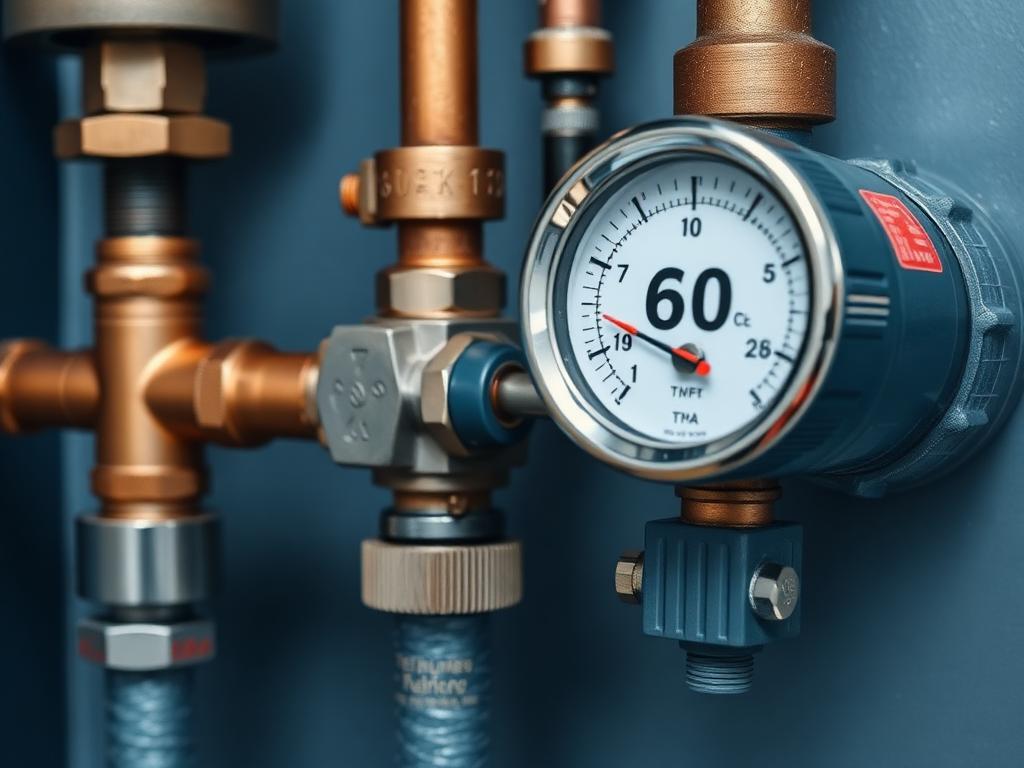
Who Is Most at Risk?
While anyone can contract Legionnaires' disease, certain groups face significantly higher risk:
- Adults over 50 years of age
- Current or former smokers
- People with chronic respiratory conditions
- Individuals with compromised immune systems
- People taking immunosuppressant medications
High-Risk Situations for Legionella Growth
Certain circumstances dramatically increase the risk of Legionella colonisation in domestic hot water systems:
- Thermostat set below 60°C: The most common cause — often done to "save energy" without understanding the health consequences
- Extended vacancy: Holiday homes, granny flats, or properties left unoccupied for weeks allow stagnant water to incubate bacteria
- Dead legs in plumbing: Unused pipe runs where water sits without circulation
- Sediment accumulation: Sediment build-up in storage tanks creates biofilm where Legionella can harbour and resist thermal disinfection
- Old or corroded tanks: Ageing systems with internal corrosion provide additional surfaces for bacterial colonisation
Critical Warning
Never lower your hot water thermostat below 60°C to save money. The energy savings are negligible, but the health risk is serious. If you're concerned about running costs, consider upgrading to a more energy-efficient system instead.
TPR Valve: Your System's Most Critical Safety Device
The Temperature Pressure Relief (TPR) valve is arguably the single most important safety component on any storage-type hot water system. Mandated by Australian Standards (AS3500.4), the TPR valve is designed to automatically release water if the internal temperature or pressure exceeds safe limits — preventing the tank from rupturing or, in worst-case scenarios, exploding.
How the TPR Valve Works
The valve contains a temperature-sensing probe that extends into the tank and a pressure-sensitive mechanism. If water temperature exceeds approximately 99°C or pressure exceeds the rated limit (typically 850–1000 kPa), the valve opens automatically, releasing water through the discharge pipe to relieve the dangerous condition.
How to Test Your TPR Valve (Step-by-Step)
Testing your TPR valve is one of the simplest yet most important maintenance tasks you can perform. Manufacturers recommend testing every six months:
- Locate the valve — Found on the side or top of your tank, it has a small metal lever and a copper or PVC discharge pipe running downward
- Place a bucket — Position a bucket or container under the discharge pipe outlet to catch released water (it will be hot)
- Lift the lever gently — Raise the lever for 2–3 seconds. You should hear water rushing through the discharge pipe
- Release and observe — Let the lever snap back. Water flow should stop immediately and completely
- Check for issues — If the lever is stuck, no water releases, or water continues dripping after release, contact a licensed plumber immediately
⚠️ Never Block or Cap a TPR Valve Discharge Pipe
Blocking a TPR valve discharge pipe is illegal under Australian plumbing regulations and creates an extreme safety hazard. If your TPR valve is dripping continuously, it's a sign of a problem (often excessive mains pressure or a faulty valve) — not something to "fix" by capping the outlet. Call a licensed plumber.
Signs Your TPR Valve Needs Replacement
- Constant dripping or weeping from the discharge pipe
- Visible corrosion, rust, or mineral deposits on the valve body
- The lever feels frozen or impossible to lift
- Water pooling around the base of your system
- The valve fails to release water when tested
- Unusual noises such as hissing or high-pitched whistling from the tank
TPR valves should be replaced every five years as a preventive measure, regardless of whether they appear to be functioning correctly. Over time, mineral deposits and corrosion can compromise the valve's ability to open under emergency conditions.
Tempering Valves & the 50°C Delivery Rule
A tempering valve is a thermostatic mixing device installed on the hot water outlet pipe. It blends hot water from your storage system (at 60°C+) with cold water to deliver a safe, consistent temperature of no more than 50°C to bathroom outlets. Under NSW plumbing regulations, tempering valves have been mandatory on all new and replacement installations since 2013.
For a comprehensive deep-dive on NSW tempering valve compliance, refer to our detailed guide: Tempering Valve Requirements for Hot Water Systems in NSW.
How Tempering Valves Fail
Like all mechanical components, tempering valves can wear out over time. Common failure modes include:
- Wax element degradation: The internal thermostatic element loses accuracy, allowing hotter water through
- Mineral scaling: In hard water areas, calcium deposits restrict the mixing mechanism
- Diaphragm wear: Internal seals degrade, causing inconsistent output temperatures
- Installation issues: Incorrectly installed valves may not blend water proportions correctly
Tempering valves should be tested annually by a licensed plumber to verify they are maintaining the correct outlet temperature. Replacement is typically recommended every 5–8 years, depending on water quality and usage.
Autumn 2026 Hot Water Safety Checklist
March and April are the ideal months to conduct a thorough safety audit of your hot water system. Your system has been working hard through the summer heat, and you want it performing reliably and safely before winter demand increases. Here's your comprehensive autumn safety checklist:
DIY Safety Checks (Every Homeowner)
- Test the TPR valve — lift the lever, confirm water flows, confirm it stops when released
- Check for water pooling or damp patches around the base of your system
- Inspect the discharge pipe — ensure it's unobstructed and terminates safely
- Listen for unusual sounds — popping, rumbling, or whistling during heating cycles
- Check your thermostat setting — confirm it's at 60°C or above (never lower it)
- Test bathroom tap temperature — it should not exceed 50°C (use a kitchen thermometer)
- Inspect visible pipes and connections for corrosion, drips, or green copper staining
- Clear debris and vegetation from around outdoor hot water units
Professional Service Items (Licensed Plumber)
- Full system pressure test and mains pressure check
- Tempering valve temperature verification and calibration
- Anode rod inspection (storage systems) — replace if corroded
- Tank flush to remove sediment and biofilm accumulation
- Gas connection inspection and leak test (gas systems)
- Electrical connection and element inspection (electric systems)
- TPR valve replacement if over 5 years old
- Full system efficiency assessment and energy usage review
Protecting Children & Elderly Residents
Children under five and adults over 65 are disproportionately affected by hot water scalds. Their skin is thinner and more vulnerable, and their reaction times are slower. The Kidsafe Australia organisation recommends several additional safety measures beyond standard compliance:
- Always run cold water first when filling a bath, then add hot water and mix thoroughly
- Test water temperature with your elbow or a bath thermometer before placing a child in the bath
- Never leave children unattended near running taps or in the bath
- Consider anti-scald devices on individual taps as an additional safety layer
- Ensure tempering valves are professionally tested annually in homes with young children or elderly residents
For homes with granny flats or secondary dwellings housing elderly relatives, it's essential to verify that the separate hot water system also complies with tempering valve requirements and has its own functioning TPR valve.
Did You Know? Some newer hot water brands now offer systems with built-in digital temperature limiting — providing an additional layer of protection beyond the tempering valve. Ask your plumber about these options during your next installation or upgrade.
When to Call a Licensed Plumber
While some safety checks can be performed by homeowners, many aspects of hot water safety require a licensed professional. Under NSW regulations, all work on hot water systems — including valve replacements, thermostat adjustments, and system modifications — must be carried out by a licensed plumber.
Call a plumber immediately if you notice:
- Water temperature from bathroom taps feels noticeably hotter than usual
- The TPR valve is dripping constantly or won't stop after testing
- You detect a rumbling, banging, or hissing sound from your tank
- Discoloured or foul-smelling hot water (potential bacterial contamination)
- Visible corrosion, rust stains, or wet patches around the system
- Signs of system failure such as inconsistent temperatures or reduced flow
- Your system is over 10 years old and hasn't been professionally serviced recently
- You're returning to a property that has been vacant for more than two weeks
Frequently Asked Questions
What temperature should my hot water system be set to in Australia?
Under AS3500 and the Plumbing Code of Australia, hot water must be stored at a minimum of 60°C to prevent Legionella bacteria growth. However, it must be delivered to bathroom taps at a maximum of 50°C (via a tempering valve) to prevent scalding. Kitchen taps may deliver water above 50°C as they are not regulated by the same rule.
How often should a TPR valve be tested on a hot water system?
Manufacturers and Australian Standards recommend testing your TPR (Temperature Pressure Relief) valve every six months. Lift the lever gently to allow a small burst of water to release, then let it snap back. If water continues to dribble or the lever feels stuck, contact a licensed plumber immediately — the valve may need replacement.
What is Legionella and how does it grow in hot water systems?
Legionella pneumophila is a waterborne bacterium that can cause Legionnaires' disease, a severe form of pneumonia. It thrives in stagnant water between 20°C and 45°C. Hot water systems stored below 60°C or those left unused for extended periods create ideal breeding conditions. Ensuring your system maintains a minimum 60°C storage temperature is the primary prevention method.
Do I need a tempering valve on my hot water system in NSW?
Yes. Since 2013, all new and replacement hot water installations in NSW (and all other Australian states) must include a tempering valve. This device blends hot and cold water to deliver a maximum of 50°C to bathroom outlets, preventing scalding injuries. Existing homes without a tempering valve should have one installed by a licensed plumber.
What are the signs of a failing TPR valve?
Common signs include constant dripping or weeping from the valve's discharge pipe, visible corrosion or mineral build-up on the valve body, the lever feeling stuck or difficult to lift, water pooling around the base of your hot water system, and the valve failing to release water when tested. Any of these signs require immediate professional attention.
How quickly can hot water scald a child?
At 60°C, a child can sustain a full-thickness burn in less than one second. At 55°C, it takes approximately 10 seconds. At the regulated delivery temperature of 50°C, it takes around five minutes of continuous exposure. This is exactly why Australian regulations mandate tempering valves — even a few degrees can make a life-changing difference.
Book Your Autumn Hot Water Safety Inspection
Don't wait for a safety issue to become an emergency. Our licensed plumbers provide comprehensive hot water safety inspections across Sydney, the Central Coast, and Hunter regions. Same-day appointments available.