

If you're wondering how long hot water systems last, you're asking one of the most important questions for Australian homeowners. Whether you've noticed your morning showers running lukewarm or you're planning ahead for home maintenance, understanding your hot water system's lifespan can save you from unexpected cold showers and emergency replacement costs.
The short answer? Most hot water systems in Australia last between 8 to 15 years, but this varies significantly depending on the type of system, water quality in your area, and how well you maintain it. Some systems, like quality heat pumps and continuous flow units, can exceed 20 years with proper care.
In this comprehensive guide, we'll break down exactly how long each type of hot water system lasts, the warning signs that indicate replacement is imminent, and expert tips to extend your system's life. As Sydney's hot water specialists, we've seen thousands of systems—and we'll share the real-world insights that can help you make informed decisions about your hot water needs.
Average Hot Water System Lifespan by Type
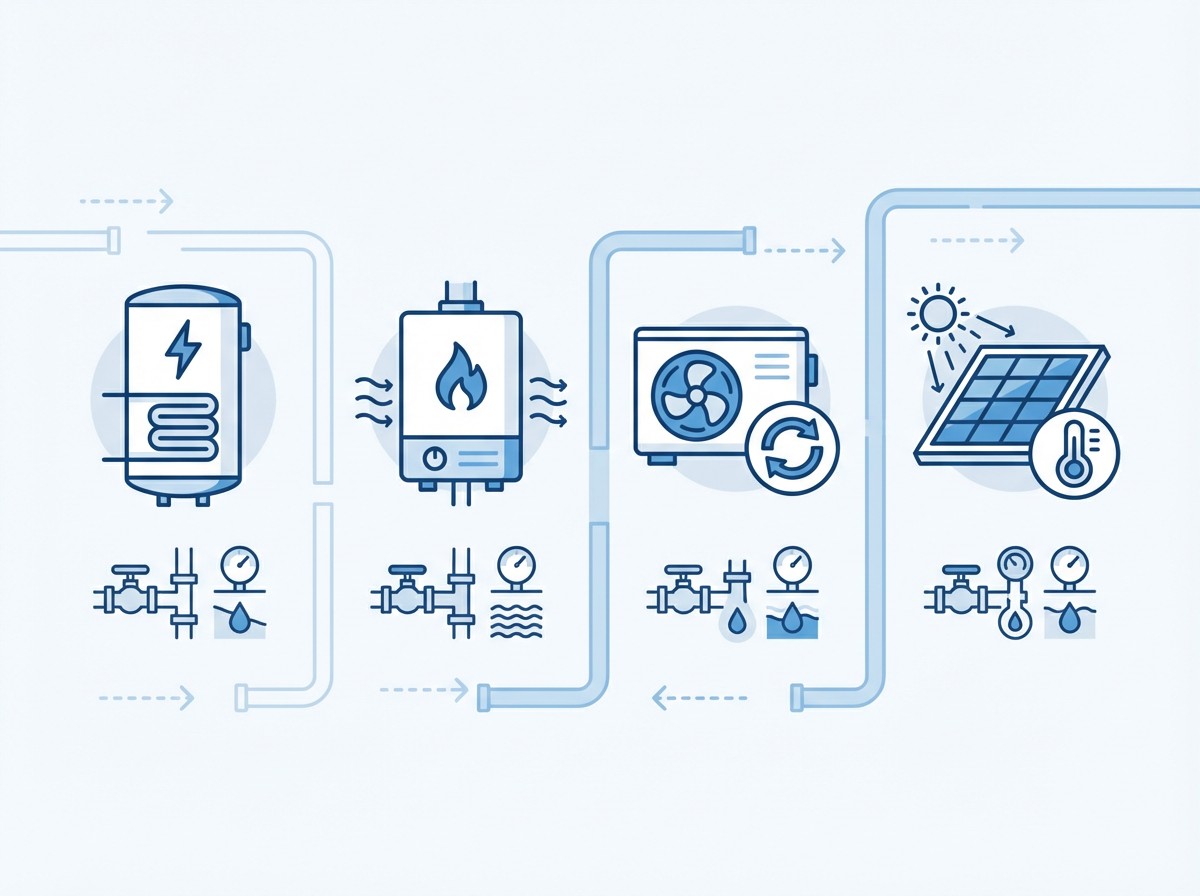
Not all hot water systems are created equal when it comes to longevity. Here's what you can realistically expect from each type commonly installed in Australian homes:
Electric Storage
10-15 YearsElectric storage systems are among the most common in Australian homes. The heating element typically fails around 8-10 years. Tank corrosion, driven by anode rod depletion, is another common failure point. Regular maintenance, particularly anode rod inspections every 3-5 years, can push electric systems well past 15 years.
Gas Storage
8-12 YearsGas storage systems have a slightly shorter lifespan than electric counterparts. The combustion process introduces additional wear factors, including burner deterioration and heat exchanger stress. Quality brands like Rheem and Rinnai typically sit at the upper end when properly maintained.
Continuous Flow (Instantaneous)
15-20 YearsContinuous flow systems offer significantly longer lifespans. Because they don't store water, they avoid tank corrosion issues. Gas continuous flow units from brands like Rinnai, Bosch, and Rheem regularly exceed 20 years in Sydney homes.
Heat Pump
10-15 YearsHeat pump systems have become increasingly popular due to energy efficiency and government rebates. Check the NSW Energy website for current incentives. The compressor is the most critical component. Quality installations in Sydney's moderate climate tend to reach or exceed 15 years.
Solar Hot Water
15-20+ YearsSolar hot water systems offer excellent longevity. Quality evacuated tube or flat plate collectors—certified by the Clean Energy Council—can last 25+ years. The storage tank remains the weak point, with similar lifespans to standard electric units (10-15 years). You may need to replace the tank while collectors remain functional.
Quick Reference: Hot Water System Lifespan
| System Type | Average Lifespan | With Good Maintenance |
|---|---|---|
| Electric Storage | 10-15 years | 15+ years |
| Gas Storage | 8-12 years | 12+ years |
| Continuous Flow | 15-20 years | 20+ years |
| Heat Pump | 10-15 years | 15+ years |
| Solar | 15-20 years | 20+ years |
7 Warning Signs Your Hot Water System Needs Replacing
Knowing the typical lifespan is helpful, but recognising the specific warning signs is crucial for avoiding unexpected failures:
1. Age Approaching or Exceeding Expected Lifespan
If your system is within 2-3 years of its expected lifespan, it's time to start planning. Don't wait for failure—proactive replacement during a convenient time beats emergency replacement during a cold winter morning. Check your system's manufacture date on the compliance plate.
2. Rusty or Discoloured Hot Water
Rust-coloured water coming only from hot taps (not cold) indicates internal tank corrosion—often accelerated by hard water damage. This is a serious warning sign—once the tank starts rusting from within, failure is typically months away, not years.
3. Inconsistent Water Temperature
Fluctuating temperatures—water that's scalding one moment and lukewarm the next—often indicates thermostat or heating element issues. While sometimes repairable, in older systems this often signals broader deterioration.
4. Visible Leaks or Moisture Around the Unit
Any visible leaking from the tank itself (not the valves or connections) typically means the inner tank has corroded through. This is almost always a replacement situation—tank repairs are rarely economical.
5. Strange Noises (Rumbling, Popping, Cracking)
Unusual sounds from your hot water system often indicate sediment buildup at the bottom of the tank. As sediment hardens, it causes the tank to work harder and can lead to overheating. Loud banging or cracking sounds warrant immediate professional inspection.
6. Reduced Hot Water Volume or Recovery Time
If your household usage hasn't changed but you're running out of hot water faster, or it's taking longer to reheat, your system is losing efficiency. This often indicates sediment accumulation, failing heating elements, or general system deterioration.
7. Increasing Energy Bills
A significant increase in gas or electricity bills (without corresponding usage changes) can indicate your hot water system is working harder to maintain temperature. Check the Energy Rating website to compare system efficiency. Modern heat pump and solar systems can reduce hot water energy costs by 50-70% compared to older electric storage systems.
Factors That Affect Hot Water System Longevity
Several key factors determine whether your hot water system reaches the lower or upper end of its expected lifespan:
Water Quality and Hardness
Sydney's water quality varies by area. Hard water (high mineral content) accelerates sediment buildup and can corrode tanks faster. Check Sydney Water for information about your area's water quality. Areas with bore water or tank water may see reduced system lifespans. Consider a water softener or regular system flushing if you're in a hard water area.
Installation Quality
Proper installation is crucial. Incorrectly sized systems, poor ventilation for gas units, inadequate pressure relief piping, and improper electrical connections all reduce system life. Always use licensed plumbers and ensure your installation meets Australian Standards (AS/NZS 3500).
Maintenance Frequency
Regular maintenance is the single biggest factor you can control. Key tasks include anode rod inspection (every 3-5 years), TPR valve testing (annually), sediment flushing (annually), and professional servicing every 2-3 years.
Usage Patterns
How you use your hot water affects system longevity. High-demand households (large families, frequent guests) put more stress on systems. Conversely, very low usage can also cause issues—sediment settles and components can seize from lack of use.
How to Extend Your Hot Water System's Life
Want to push your system past the average lifespan? Here are proven strategies our technicians recommend:
Schedule Annual Professional Inspections
A licensed technician can identify issues before they become failures. The cost of an annual service is far less than emergency replacement.
Replace the Anode Rod Proactively
The sacrificial anode protects your tank from corrosion. Replacing it every 3-5 years (or when more than 50% depleted) can add years to your tank's life.
Maintain Optimal Temperature Settings
Running your system at excessively high temperatures accelerates wear. 60°C is the recommended setting for storage systems (hot enough for safety, not so hot it causes rapid wear).
Install a Pressure Limiting Valve
High water pressure stresses tanks and components. If your home's pressure exceeds 500kPa, consider a pressure limiting valve.
Address Issues Promptly
Small leaks, unusual sounds, and temperature fluctuations often indicate developing problems. Early intervention can prevent catastrophic failure.
Consider a Water Filter
If your area has sediment-heavy water, an inline filter can reduce buildup in your hot water system.
When to Repair vs. Replace Your Hot Water System
The repair-or-replace decision depends on several factors:
Consider Repair When:
- System is less than 5 years old
- Issue is isolated (single component failure)
- Repair cost is less than 50% of replacement cost
- System is otherwise in good condition
Consider Replacement When:
- System is more than 10 years old
- Multiple components are failing
- Tank is leaking or corroded
- Repair cost exceeds 50% of replacement cost
- Want to upgrade to a more efficient system
The 50% Rule
If repair costs exceed 50% of the cost of a new system, replacement usually makes more financial sense—especially for systems past their midlife point. View our guide to different hot water system types to explore your options.
Frequently Asked Questions
Can a hot water system last 20 years?
Yes, some systems can reach 20 years or more. Continuous flow (tankless) systems and well-maintained solar collectors commonly exceed this mark. Storage tank systems rarely last beyond 15 years due to tank corrosion.
How do I know how old my hot water system is?
Check the compliance plate on your unit (usually on the side). It shows the manufacture date. If unclear, your licensed plumber can help identify the age based on the model and serial number.
Is it worth repairing a 10-year-old hot water system?
It depends on the repair needed and system condition. Minor repairs (thermostat, element) may be worthwhile. Major repairs or tank issues typically justify replacement at this age.
What is the best hot water system for longevity?
Continuous flow (instantaneous) systems and quality solar hot water collectors offer the longest lifespans. For storage systems, stainless steel tanks last longer than vitreous enamel tanks. Learn more in our best hot water systems guide.
How much does it cost to replace a hot water system in Sydney?
Replacement costs in Sydney typically range from $1,600 to $3,500+ depending on the system type, size, and installation complexity. Electric storage systems are generally cheapest, while heat pumps and solar systems cost more upfront but offer lower running costs. See our heat pump vs gas cost comparison for detailed analysis.
Conclusion
Understanding how long hot water systems last empowers you to make informed decisions about maintenance, repair, and replacement. While most systems fall within the 8-15 year range, your specific lifespan depends heavily on system type, installation quality, water conditions, and maintenance practices.
The key takeaways:
- Electric storage: 10-15 years
- Gas storage: 8-12 years
- Continuous flow: 15-20 years
- Heat pump: 10-15 years
- Solar: 15-20+ years
Don't wait for your system to fail completely. If you're noticing warning signs or your system is approaching its expected lifespan, now is the time to plan. Proactive replacement on your schedule beats emergency replacement on a cold winter morning.
Ready to Assess Your Hot Water System?
Our licensed technicians provide honest assessments and obligation-free quotes. Call Infinity Hot Water for same-day service across Sydney, or book online for a convenient appointment time.
Related Articles
Signs Your Hot Water System Needs Repair
Don't ignore these warning signs that indicate your system needs professional attention.
Hot Water System Maintenance Guide
Essential maintenance tips to extend your hot water system's lifespan.
Types of Hot Water Systems
Complete guide to different hot water system types and finding your perfect fit.