
Selling a Sydney Home? Hot Water Compliance Checklist
September in Sydney is when the boards go up. Agents start booking photographers the week the jacarandas begin to bud, campaigns run through October and November, and by the first weekend of spring half the street has a Saturday auction. Sellers spend money on paint, styling and a landscaper. Almost nobody spends a cent on the rusting cylinder sitting against the side fence.
Then the building inspector writes one line in a report. Hot water unit appears to be approaching end of serviceable life, corrosion evident at base. The buyer's solicitor reads it, the buyer's father reads it, and suddenly a $2,600 job is being used to argue for $10,000 off the price. That is the trade the hot water system makes on your behalf when you ignore it.
This guide covers what actually gets flagged on Sydney properties, what the compliance requirements really are, what it costs to deal with each one, and the order to do it in if you are listing in the next six weeks.
Why Hot Water Shows Up in Sale Negotiations So Often
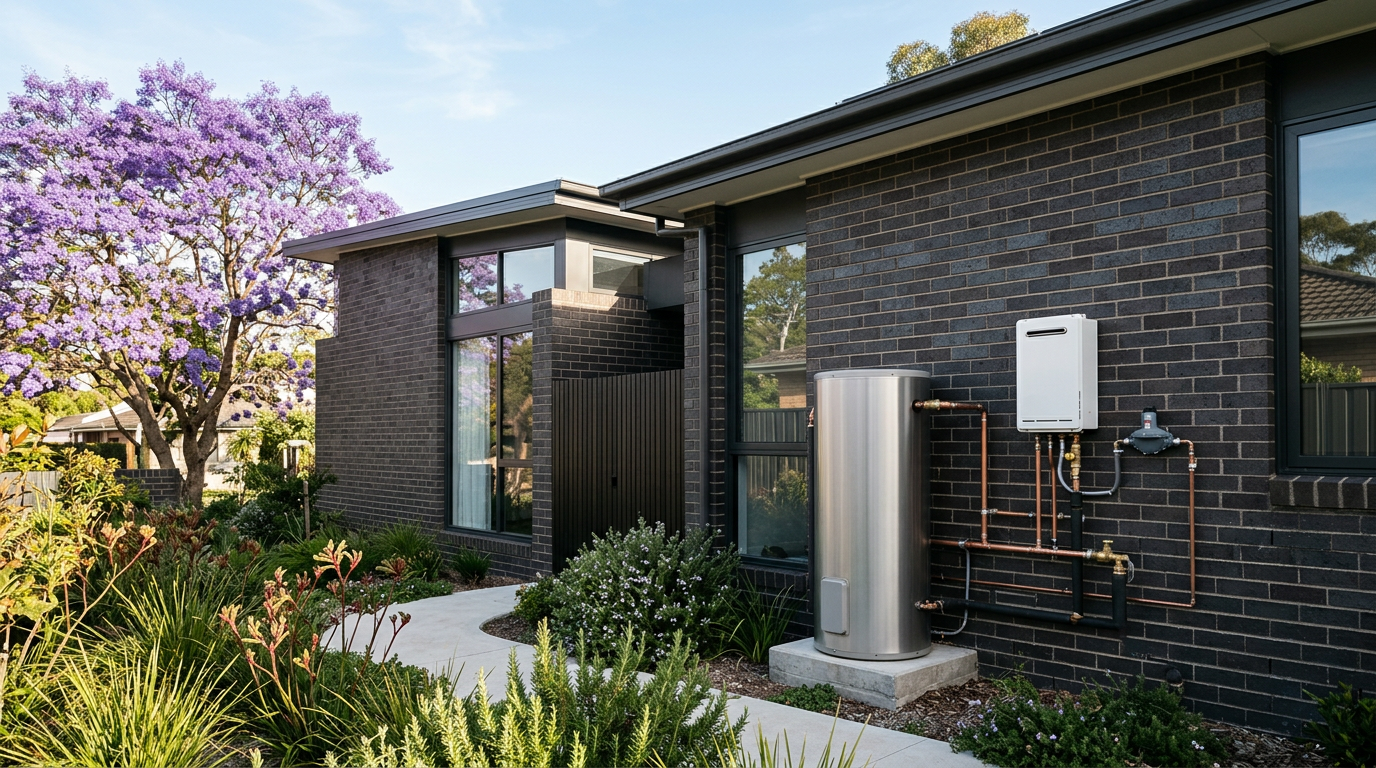
A hot water system is the most expensive plumbing item in a normal house that a buyer can see from the driveway. It has a date stamped on it. It sits outside, usually in weather, usually in view. Everything else in the plumbing is behind a wall and gets a general note. The cylinder gets a specific one.
Buyers in Sydney also know roughly what replacement costs now. The figures are public, they are quoted on every plumber's site, and a buyer who has seen our Sydney installed price guide can put a number on the risk within a minute. That certainty is what makes it such a comfortable thing to negotiate on. Nobody argues about a roof they cannot cost.
There is a timing element too. Storage cylinders across Sydney and the Central Coast typically give eight to twelve years, and the housing stock that turns over in spring in suburbs like Ryde, Carlingford, Wahroonga and Erina is heavy with systems installed during the 2012 to 2016 replacement wave. A lot of them are due right now.
What a Building Inspector Actually Writes Down
Standard pre-purchase inspections in NSW are visual and non invasive. The inspector will not dismantle your unit or test gas pressure. What they will do is look, photograph and note. In practice, the recurring notes are these.
- Age against the compliance plate. The manufacture date is stamped on the plate. Anything over ten years gets flagged automatically.
- Rust staining or scale at the base. This reads as an internal failure in progress, even when it is only a weeping fitting. Our guide to a tank leaking from the bottom explains which is which.
- A dripping relief valve. Common, cheap to fix, and routinely reported as a defect. See the relief valve guide.
- No tempering valve on a storage system. A genuine compliance issue on older installs, covered below.
- Poor clearances on gas units. Decks, pergolas, new fences and enclosed carports built after the water heater went in are a frequent finding across the Northern Beaches and inner west.
- Signs of unlicensed work. Flexible hose where copper belongs, unsupported pipework, an electrical connection that is not on its own circuit.
- Missing or unsealed safe tray on internal installations. Standard in apartments and internal cupboards.
None of these individually stops a sale. Two or three together create a narrative that the property has been under maintained, and that narrative costs far more than the repairs.
The Compliance Items That Are Not Negotiable
Delivered temperature at bathroom outlets
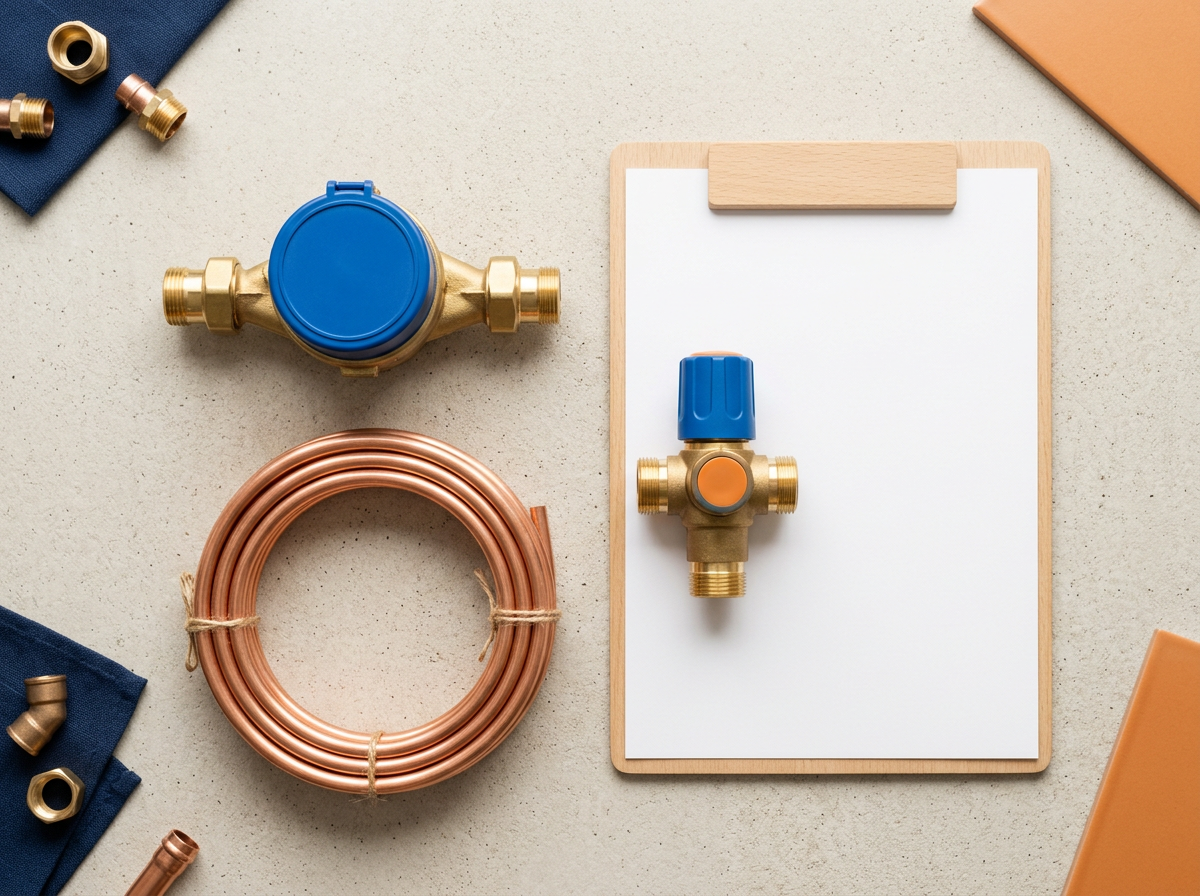
Water delivered to a bathroom outlet used for personal hygiene in a residential property must not exceed 50 degrees. The tank still needs to store at 60 degrees or above to suppress legionella, so the two numbers are reconciled by a tempering valve on the hot outlet. Plenty of Sydney homes built or last re-plumbed before the requirement came in have no tempering valve at all, and plenty more have one that failed years ago and now passes 65 degree water straight through.
Test it yourself with a kitchen thermometer in a cup under the basin tap after two minutes of running. If you are over 50, budget $280 to $420 for a valve supply and fit. The requirement and the current detail sit in the plumbing provisions of the National Construction Code, and our NSW tempering valve compliance guide walks through what a compliant installation looks like.
Certificates for work already done
Any plumbing, drainage or gasfitting work in NSW must be carried out by a licensed tradesperson, and notifiable work requires a certificate. If you replaced the hot water system four years ago and cannot produce the paperwork, the buyer's solicitor may treat the work as undocumented. NSW Fair Trading sets out the certificate of compliance requirements, and a licensed plumber can usually reissue a copy from their records.
Clearances, flues and where the unit is allowed to sit
Gas units need defined clearances from windows, openings, boundaries and anything combustible. Heat pumps have their own siting and noise considerations against neighbouring bedroom windows. If a deck or a new fence has been built around an existing unit since installation, the install is no longer compliant even though nobody moved the heater. Our NSW installation rules guide covers the distances, and the heat pump noise guide covers the acoustic side that neighbours raise during a campaign.
The Hidden Leak Problem That Surfaces at Settlement
A slow leak on the hot water line is the pre-sale issue nobody plans for. It does not show on the surface, it does not affect pressure enough to notice, and it quietly runs up the bill. The seller sees an unusually high quarter and blames the tenants or the visitors at Christmas.
It matters at sale time for two reasons. Water usage is adjusted at settlement, so an inflated meter reading becomes a real dollar dispute between two solicitors. And a buyer who reviews three quarters of water bills, which many now do, will see the spike and ask what caused it.
The test takes half an hour. Turn off every tap and appliance, read the meter, wait thirty minutes without using water, read it again. Any movement is a leak. Sydney Water operates a hidden leak allowance for concealed leaks repaired by a licensed plumber, and our guide to leak spikes on Sydney Water bills explains how to claim it. Do it before exchange. Claims are much harder once the property is no longer yours.
Repair or Replace Before You List
The decision is mostly about age, and the age is on the plate. This is the framework we give sellers on site.
| System age | Typical action | Indicative Sydney cost |
|---|---|---|
| 0 to 7 years | Service and repair only | $180 to $450 |
| 8 to 11 years | Repair if under half replacement cost | $250 to $700 |
| 12 years plus | Replace before listing | $1,800 to $3,400 installed |
| Any age, leaking cylinder | Replace | $1,800 to $3,400 installed |
| Any age, no tempering valve | Fit valve regardless | $280 to $420 |
The commercial logic is straightforward. A buyer who is told the system is fifteen years old will discount for a full replacement plus inconvenience plus a margin for being told about it late. You will replace it for the installed price and nothing else. Doing it yourself before the campaign is almost always the cheaper side of that trade, and it converts a defect line into a selling point in the copy.
If you are replacing anyway, replace upward. A heat pump or an efficient continuous flow unit gives the agent something to write, and support may be available under the NSW household energy rebates and schemes. Our 2026 NSW rebates guide has the current detail, and heat pump versus gas running costs is the comparison buyers ask about at the second inspection.
The Six Week Pre-Listing Sequence
If you are listing for the spring market, work backwards from the photography date, not the auction date. The photos are what a buyer sees first, and a corroded tank in the side passage shot is permanent.
- Six weeks out. Read the compliance plate, photograph it, and run the thirty minute meter test for hidden leaks.
- Five weeks out. Book a service and inspection. Get a written scope covering the anode, relief valve, tempering valve and delivered temperature.
- Four weeks out. Decide repair or replace using the table above. Order early. Spring is the busiest quarter of the year for Sydney installations.
- Three weeks out. Complete the work. Clear the area around the unit, remove stored items and cut back growth from flue and intake clearances.
- Two weeks out. Collect the certificate of compliance, invoice, warranty registration and service history into one PDF for the contract file.
- Photography week. Rinse the housing, remove rust staining from the slab and make sure pipework is neat and lagged.
Insulating exposed hot water pipework is the cheapest visual and functional upgrade on that list. It looks maintained and it genuinely reduces heat loss, as covered in our pipe insulation guide.
What Buyers Should Check on the Other Side
If you are buying this spring rather than selling, the same list runs in reverse. Before you bid, do this at the second inspection.
- Photograph the compliance plate and work out the age yourself. Do not rely on the agent's answer.
- Run a bathroom hot tap for two minutes and feel the temperature. Scalding hot means no working tempering valve.
- Look at the base of the cylinder and the slab beneath it for staining.
- Check what has been built around a gas unit since it was installed.
- Ask for the certificate of compliance for the most recent hot water work.
- Note the meter reading on the day of exchange so a leak cannot be adjusted onto you at settlement.
NSW Fair Trading's guidance on buying a property covers the wider inspection process, and if a system fails on you in the first months, remember that your rights under Australian Consumer Law guarantees follow the unit's original purchase, not the sale of the house.
Investment Properties and Tenanted Sales
Selling with a tenant in place adds a layer. Access for inspection and installation needs notice, and a hot water failure during the campaign becomes an urgent repair obligation rather than a scheduling problem. If the property is tenanted, get the work done in the two weeks before the first open home, not during it. Our NSW landlord hot water obligations guide covers the repair timeframes that apply while the lease runs.
Central Coast holiday and short stay properties have a different profile again. Salt air shortens cylinder life noticeably along the coastal strip, so a system that would be mid life in Parramatta can be finished in Avoca Beach. The salt air corrosion guide explains what to look for before you list a coastal property.
What This Costs Against What It Saves
A full pre-listing hot water tidy up on a typical Sydney house is a service, a relief valve, a tempering valve and pipe lagging. That is usually under $900. A replacement, if the plate says 2011, takes it to somewhere between $2,700 and $4,000 all up.
Set that against how buyers use a defect. A noted end of life system on a $1.6 million property does not get negotiated at cost. It gets negotiated at cost plus disruption plus doubt about what else was left, and in a spring market with several comparable listings it can also be the reason a buyer chooses the other house entirely.
Spring is also simply the right time mechanically. Demand for emergency work drops as the mornings warm, lead times on units shorten before the summer rush, and you can pick an installation date rather than take the first slot available. The same reasoning applies whether you are selling or staying, which is why our warm weather maintenance guide puts the same jobs in the same window.
The Short Version
Read the plate. If it says twelve years or more, replace it before the photographer arrives. If it says less, service it, fit a tempering valve if there is not one, fix the relief valve, run the meter test for hidden leaks, and file the paperwork where your conveyancer can reach it.
Handled six weeks before listing, hot water is a line item. Handled after a building report lands, it is a negotiation you do not control.